Education Research
“私たちは3Dプリントを多用しています。テストのためだけでなく、大型ハドロン衝突型加速器のトンネルに直接設置される部品の製造にも使用しています。”
CERN case study in numbers
CERN(欧州原子核研究機構)は1954年に設立され、物質を構成する素粒子の研究に専念しています。Original Prusa プリンターは各部門で稼働しており、プリントされたものの一部は直接トンネルに送られます。
- 12,000+people at CERN
- 27 kmthe LHC ring
- 100 munderground
CERN was founded in 1954 to study the fundamental particles that constitute matter, and has since earned several Nobel Prizes.
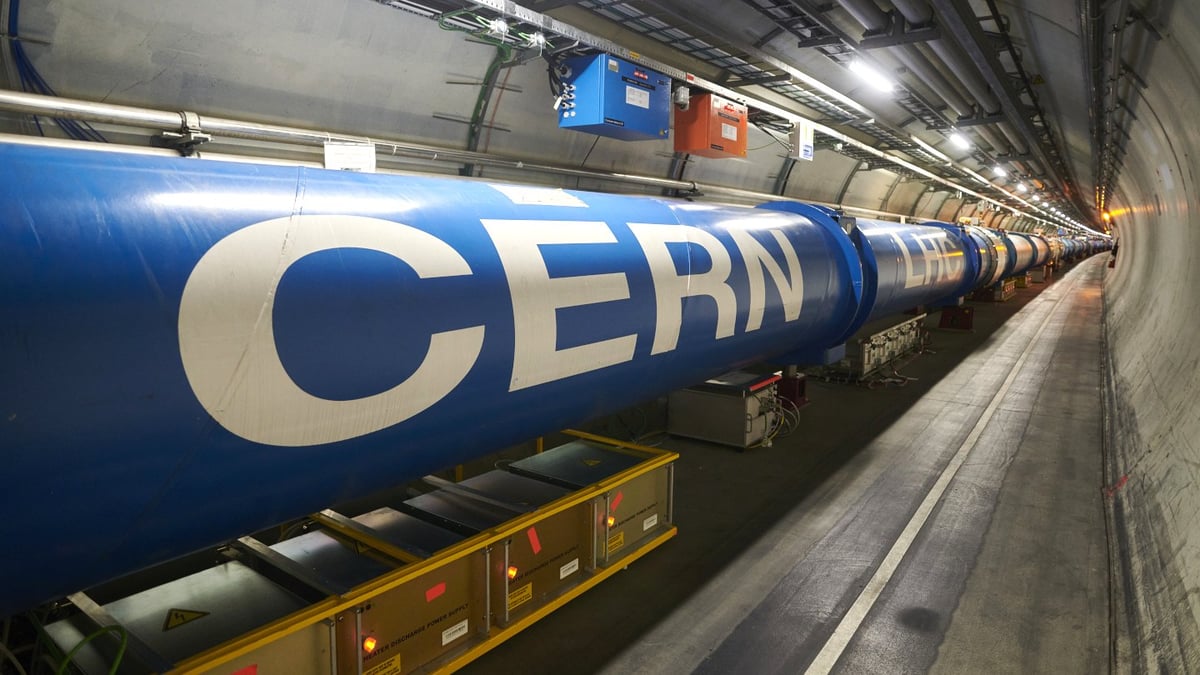
A 27 kilometer machine that the Earth keeps moving
- 問題大型ハドロン衝突型加速器は、地下100メートルに埋設され、27キロメートルにわたって広がり、科学者が素粒子物理学の理論的予測を検証することを可能にします。その独自の規模と場所を考えると、地球の動きにより、実験のための完璧なアライメントを維持することは困難です。
- 解決策CERNのエンジニアは、大型磁石の位置を測定および調整し、正確なアライメントを確保するためのセンサー、制御システム、および加速器を設計および製造しています。その規模と複雑さから、すべてをカスタムメイドするのは当然のことです。3Dプリントは、テストだけでなく、トンネルに直接設置される部品の製造にも広く利用されています。
- 価値3Dプリントは、LHCに直接使用されるモデルのコストを削減し、極限環境向け部品の製造を加速します。

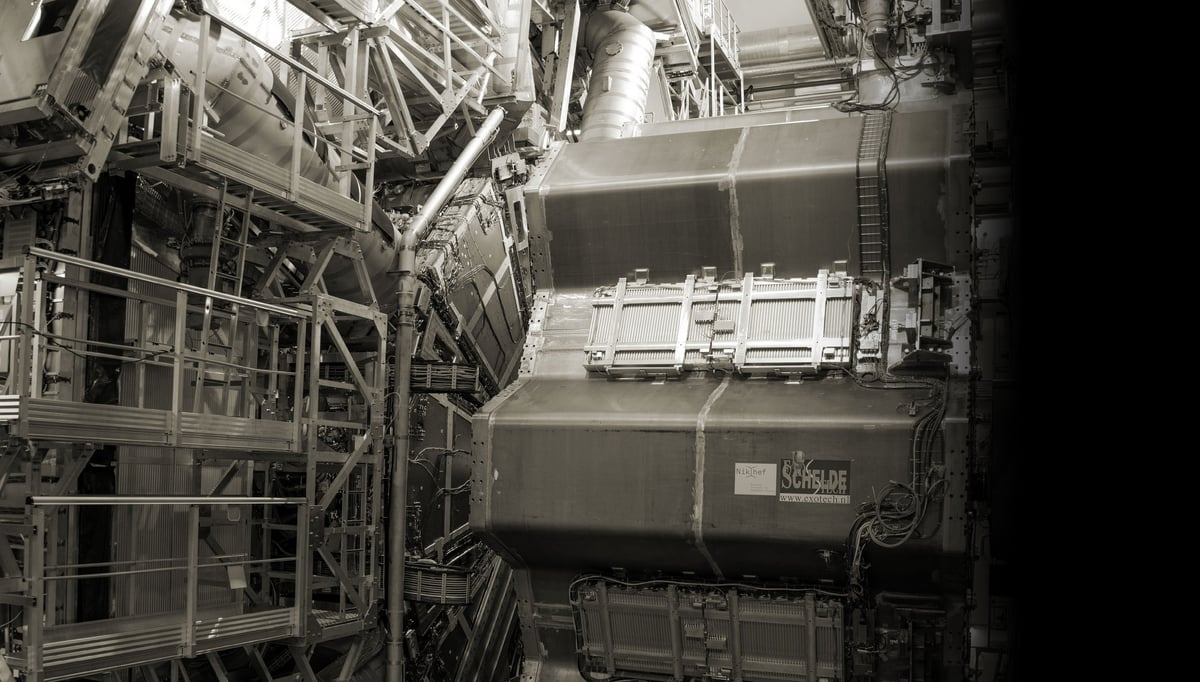
A bead that carries a wire for 200 meters
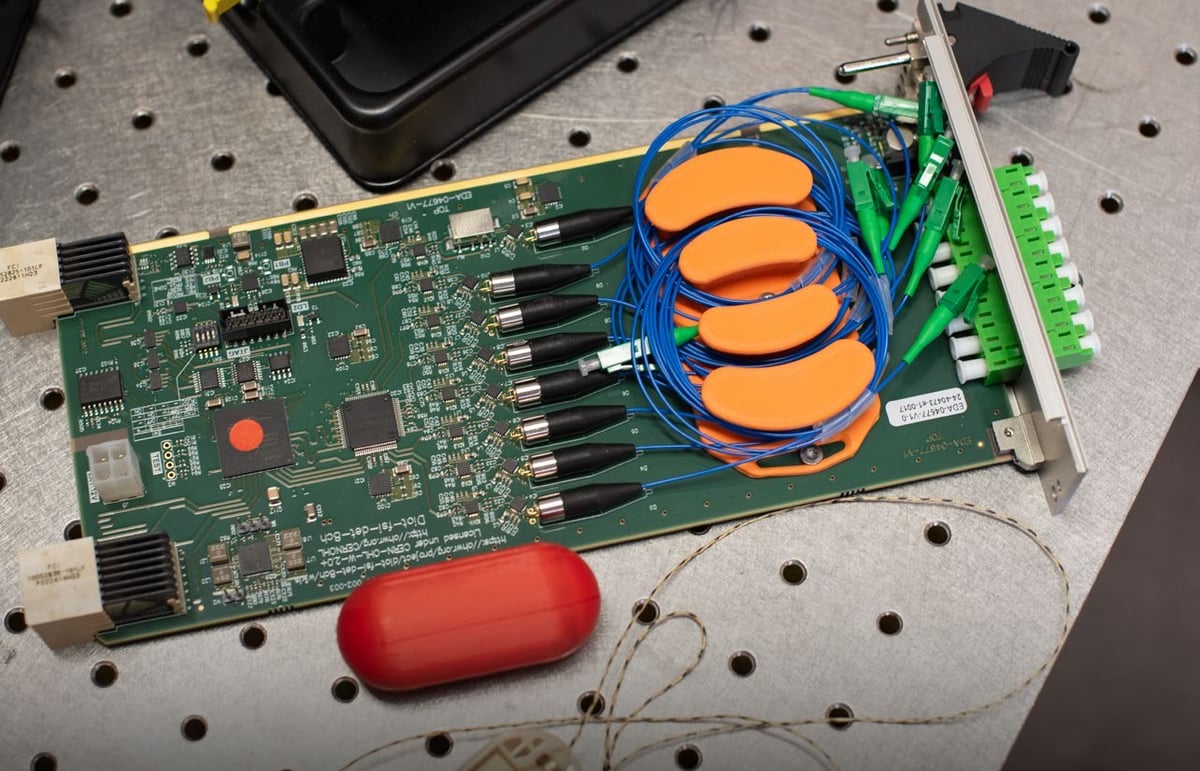
- 問題LHCの重要な部分の距離は、200メートルにわたる壊れやすいワイヤーで測定されます。多くの機器は壊れやすい光ファイバーを利用しており、ファイバーが鋭く曲がって信号が途絶えるのを防ぐために保護する必要があります。
- 解決策Original Prusa 3Dプリンターで作られたビーズがワイヤーを運び、損傷から保護します。その周りには、プリントされたケーシングとガイドが光学部品を保護します。FSI光検出モジュールには、光ファイバーをきれいにコイル状に整理し、鋭く曲がらないようにするプリント部品があります。プリントに使用Prusa CORE One
- 価値これらは部品のモデルではありません。これらはトンネル内で測定を行う部品そのものであり、この規模ではすべてが一点物であるためプリントされています。

Test it in plastic before you commit the expensive material
- ProblemLHCの新しい部品は、より高価な材料を使用する前に、ツールの信頼性を検証するために徹底的にテストする必要があります。
- Solution3Dプリントはテスト段階で非常に重要です。静水準システムセンサーの最初の実現可能性テストプリントは、設計を検討するために作成されました。ワイヤー位置決めシステムセンサー用のプロトタイプコネクタも同様でした。プリントされたチューブコネクタはカスタムメイドされ、簡単に変更可能であり、これは機械加工された部品が存在した瞬間に失われる特性です。Printed withPrusament PETG
- Value多くの場合、これらのプリントモデルは最終製品としても使用されます。これにより、プロトタイプテストにおける高価な材料の使用が削減され、高リスクプロジェクト向けの最終用途プロトタイプが迅速に製造されます。

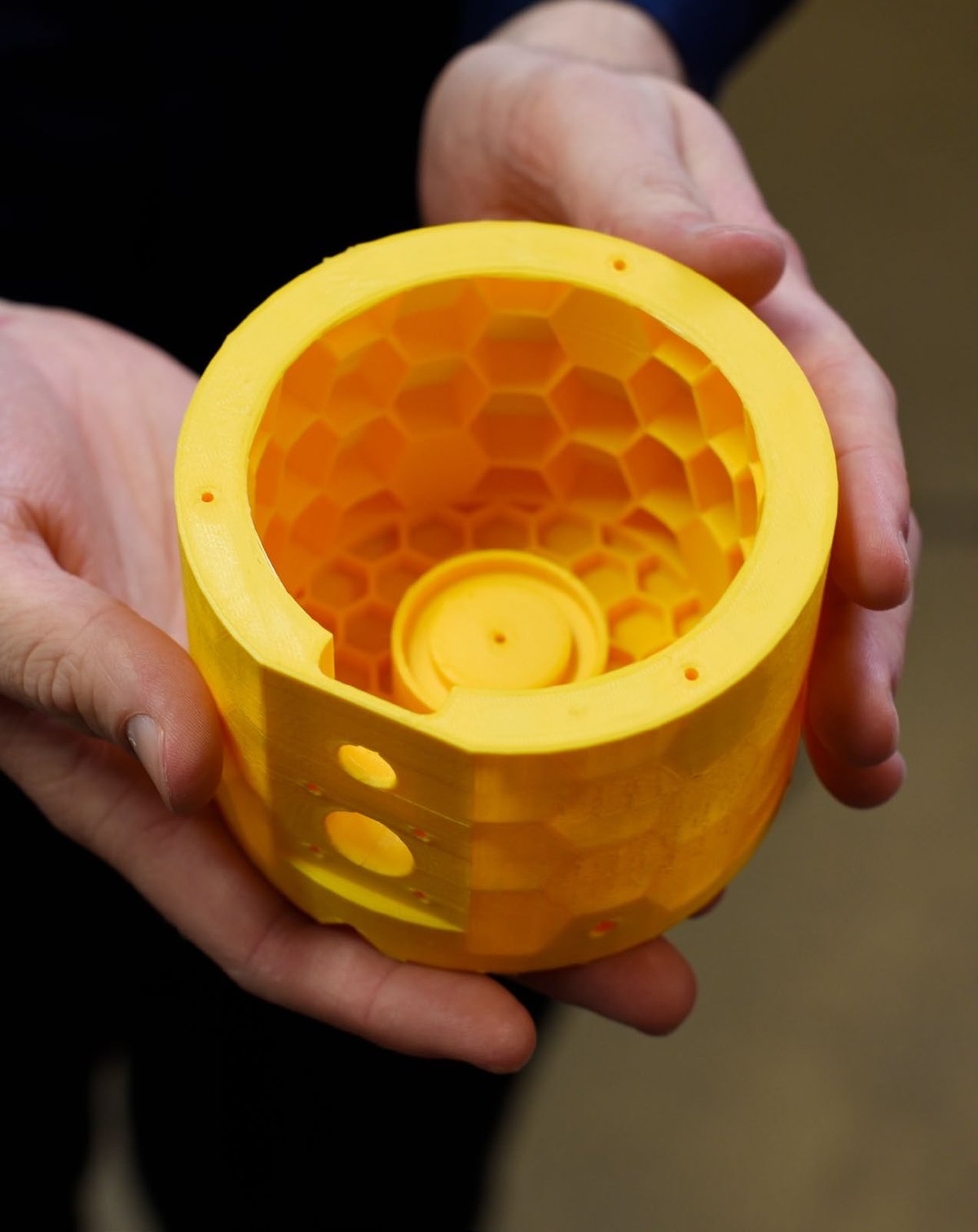
Changing the sample without turning the beam off
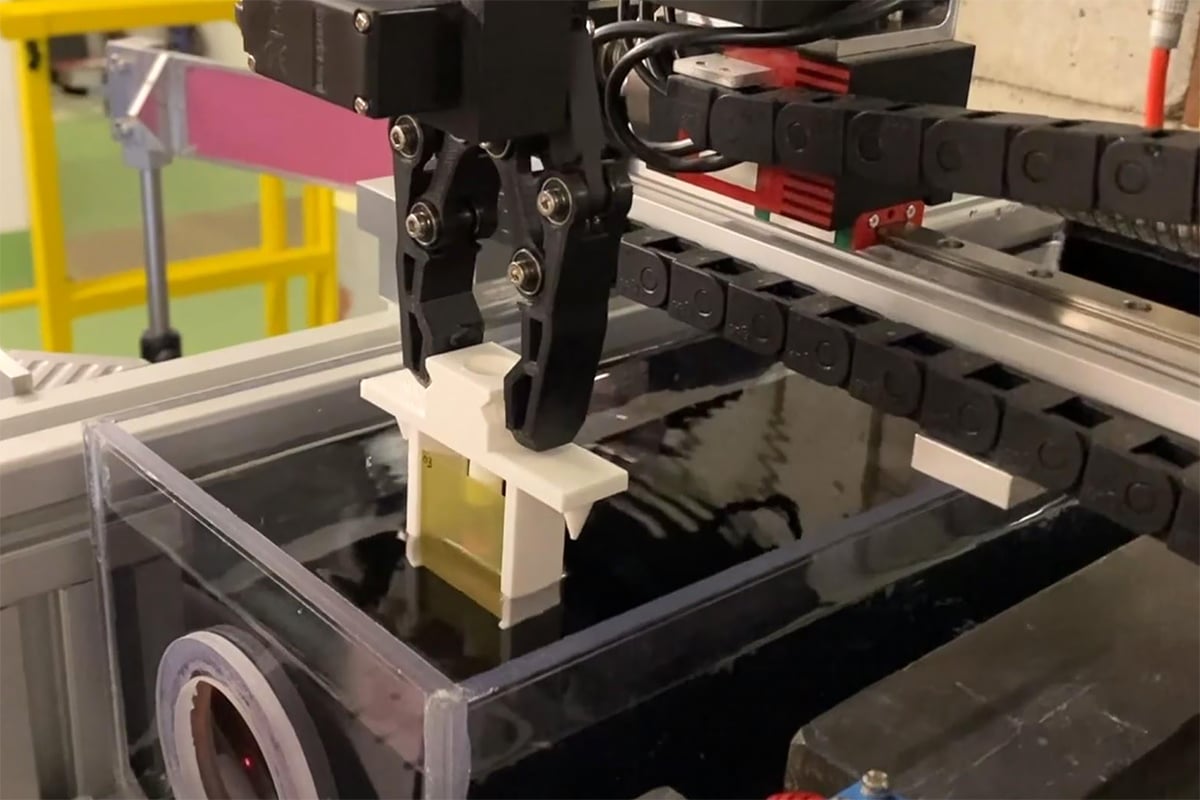
- ProblemCERNのCLEAR加速器は、がん治療研究のため、がん細胞に放射線ビームを照射します。この実験には迅速なサンプル交換が必要であり、室内に放射線があるため、人間の安全が最優先されます。VITOプロジェクトも同様の問題を抱えていますが、形が異なります。高真空環境にある液体サンプルで、サンプルを交換するために装置を開閉すると時間がかかります。
- Solution科学的イノベーションと社会のニーズを結びつけるワークショップであるIdeaSquareでは、ビームを中断することなくサンプルを効率的かつ安全に交換するための3Dプリントロボットソリューションが開発されました。VITOの場合、特別なホルダーと3Dプリントされた8mmキャピラリーにより、実験を中断することなくサンプルを交換できます。Printed onOriginal Prusa MK4S
- ValueThe beam keeps running, the people stay out of the room, and the experiment stops waiting for its own housekeeping.
“3D printing allows scientists and engineers to quickly create prototypes and push the boundaries of what is possible.”
Dina Zimmermann, Structural engineer at IdeaSquare, CERN

Still not sure where 3D printing fits your lab?
See what other organizations print, a classroom, a hangar, a car plant, a trauma center.





Customer story ETH Zurich
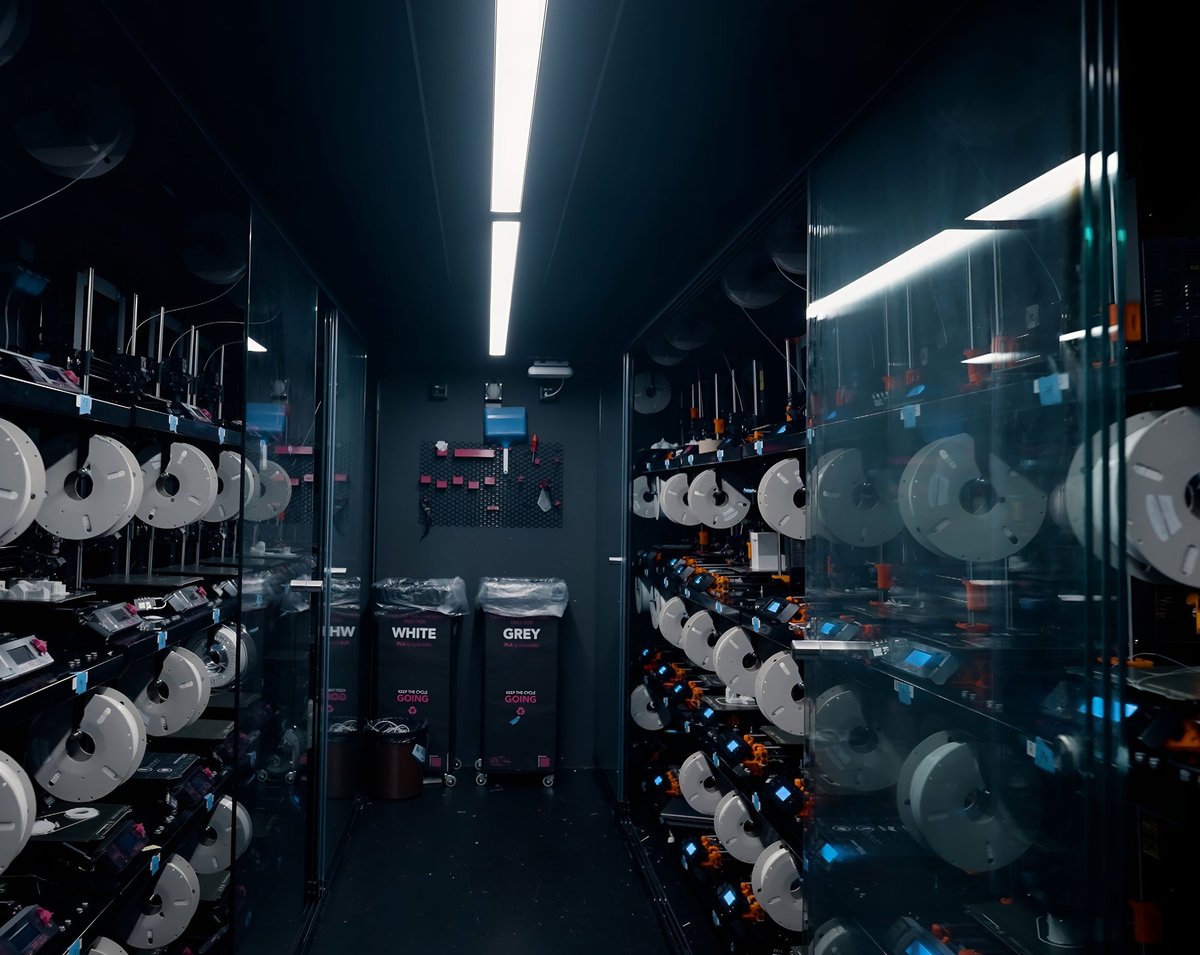
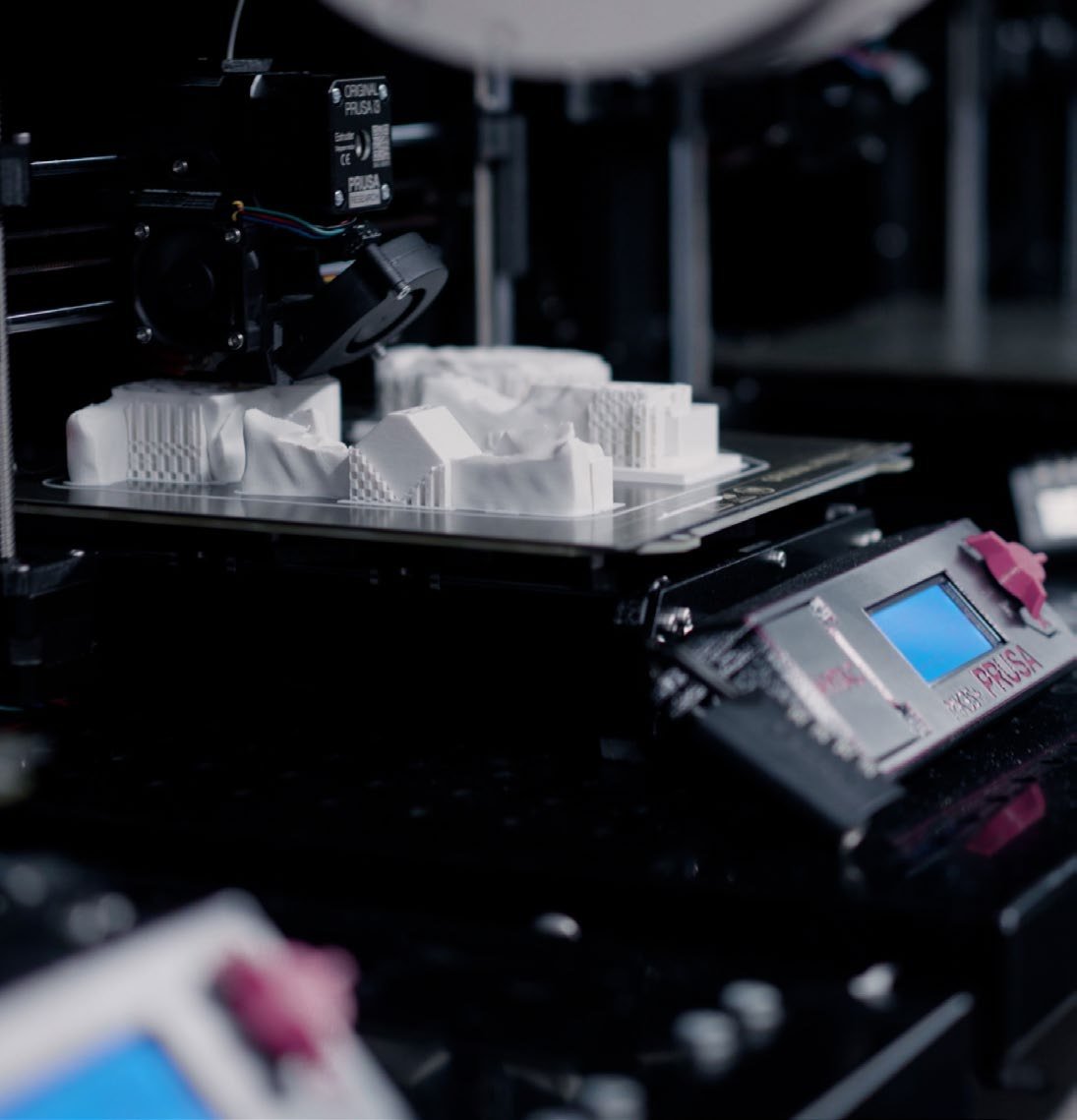
Every one of ETH Zurich’s 100+ printers was built by a student
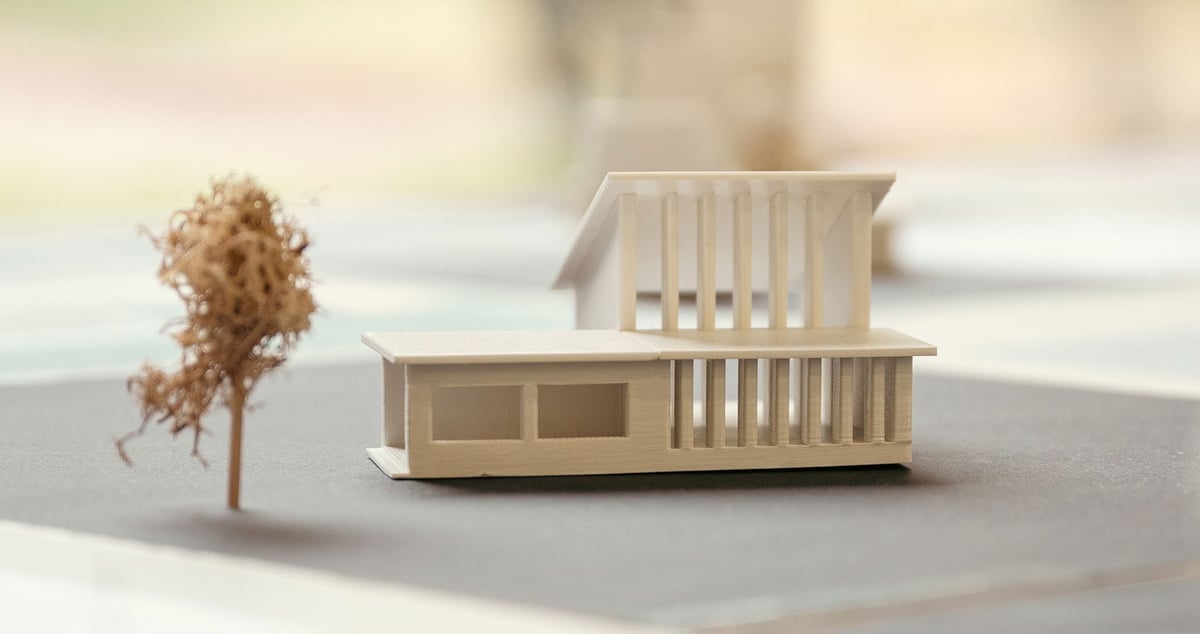
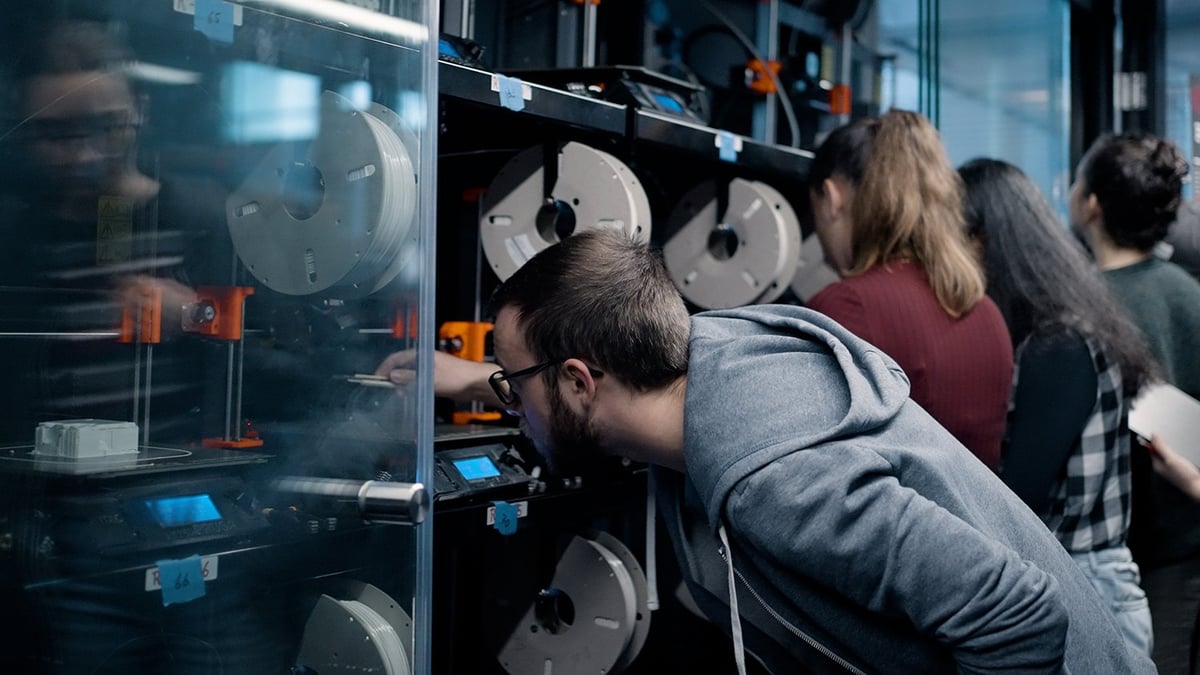
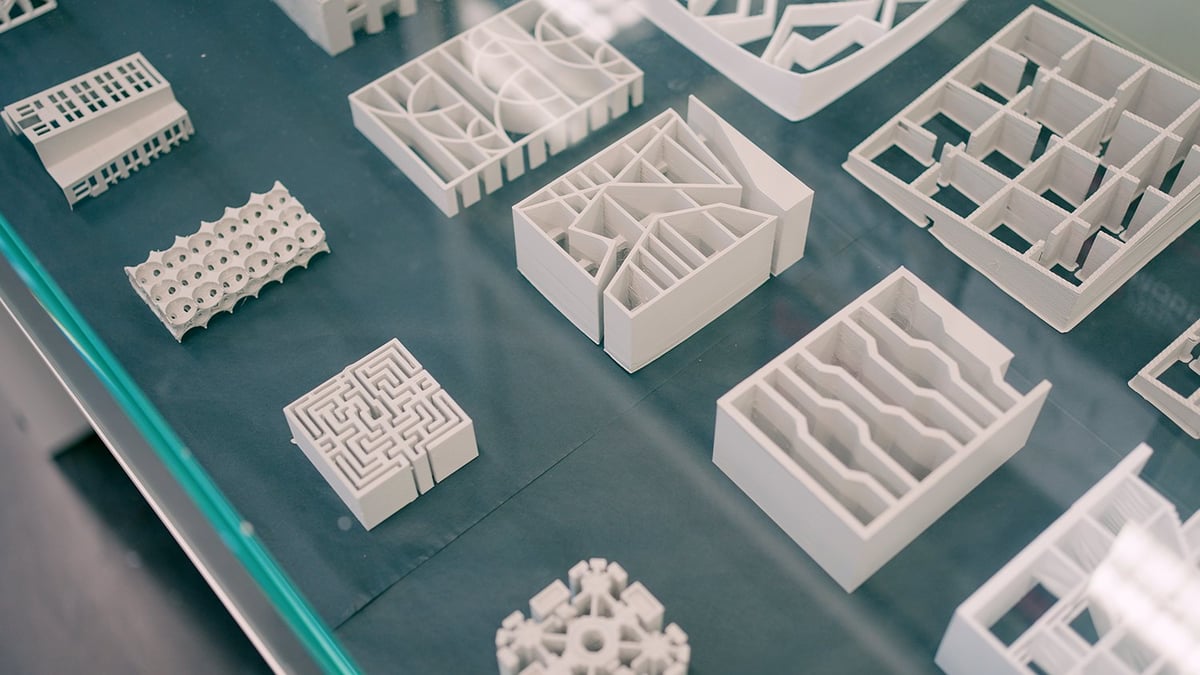
The architecture department’s HYTAC programme trains 300+ students a term, and each of them assembles an Original Prusa kit in two days before printing anything. It started as a maintenance problem: the university could fund the machines, but not the people to keep them running.
- 100+Original Prusa printers
- 300+students trained per term
- 20printers replaced each year
“I cannot imagine a world without 3D printing. It just would not work!”


Your team’s questions, answered
What researchers and engineers usually ask before deploying printed parts.
Research Engineer
Prototyping and final use
Lead Scientist
Extreme environments
Facility Manager
Customization